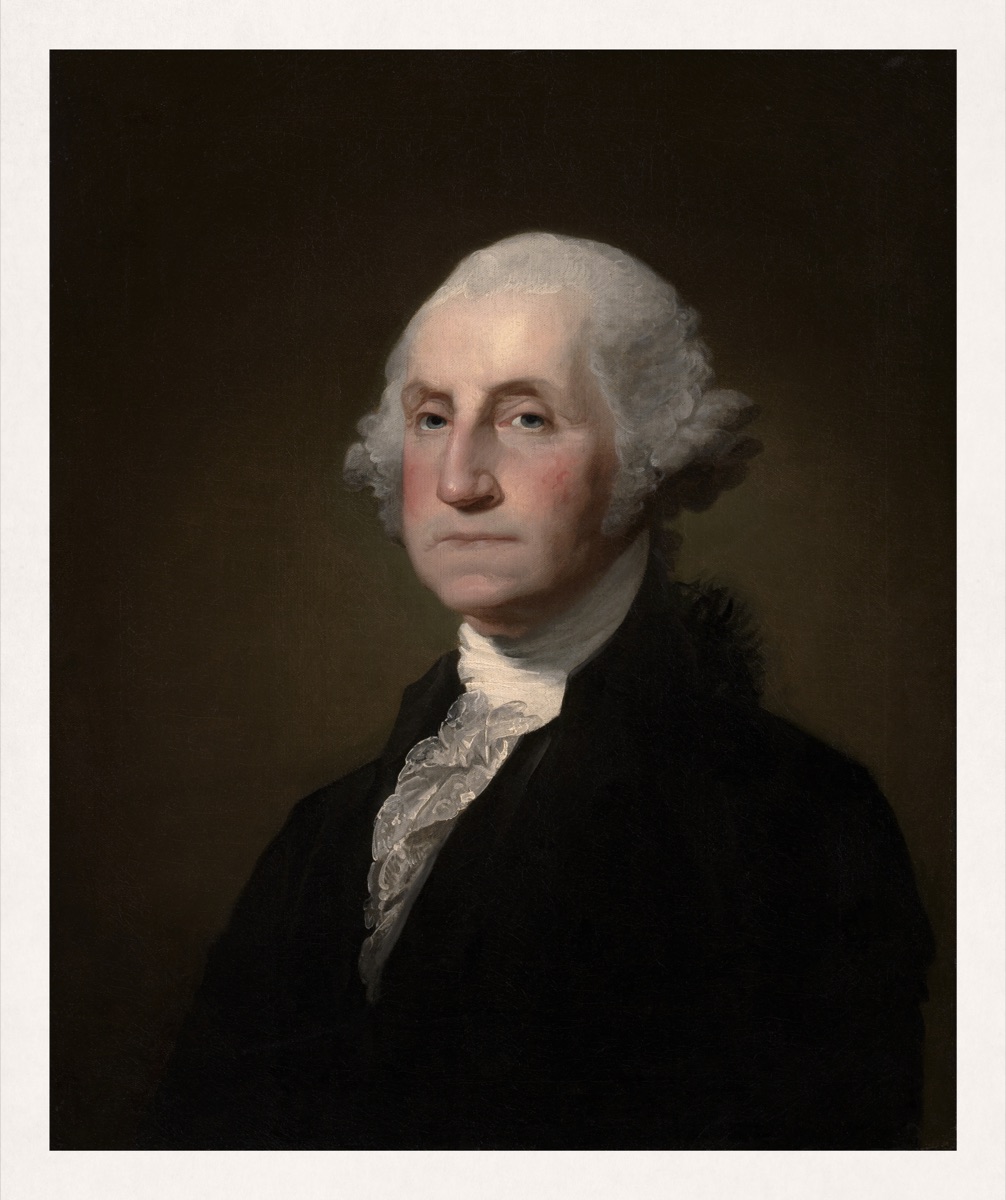
George Washington is the only U.S. president who never joined a political party — not by accident, but by conviction.
When Washington took the oath of office in 1789, there were no political parties in America. By the time he left office eight years later, two had already formed — the Federalists and the Democratic-Republicans. Washington watched them take shape around him and refused to join either one, serving two full terms as the nation's only independent president.
That wasn't indecision. It was a warning he tried to leave the country with.
The Farewell Address
In his 1796 Farewell Address, Washington devoted more space to warning against political parties than to almost any other subject. He called factionalism "the baneful effects of the spirit of party" and predicted it would become the disease of popular governments — the thing most likely to tear the republic apart from the inside.
He wasn't naive about disagreement — Americans argued fiercely in his own cabinet, between Hamilton and Jefferson, about nearly everything. His warning wasn't against having views. It was against organizing permanent tribes around them, where loyalty to the team starts to matter more than the truth or the country.
Why It Still Matters
Two hundred years later, the two parties Washington watched form are still the only two most Americans feel they're allowed to belong to — even when neither one fully represents what they believe. That's the same trap Washington saw coming: a system that forces people to pick a side instead of a position.
TheMajority exists for the same reason Washington stayed out of the fight: the country was never actually split into two camps. It was always a majority, agreeing on more than the parties let on — just without a label of its own.